
Preventing Yard Flooding with Better Drainage: A 2026 Guide for Canadian Homeowners
On 2025-12-16 by Derrick TrantowHeavy rains are becoming increasingly common across Canada, and many homeowners are discovering how quickly a yard can go from damp to waterlogged. Pooled water is more than an inconvenience: it can damage landscaping, weaken structures, and compromise a home’s foundation.
Planning for better drainage is one of the most effective ways to protect property. This guide looks at the main strategies available in 2026, from simple fixes to more comprehensive solutions, and highlights both traditional and sustainable approaches.
What Better Yard Drainage Involves
Good drainage ensures water moves away from areas where it can cause harm. The aim is to direct rainfall and snowmelt away from foundations and prevent pooling in lawns or garden beds.
Common strategies include:
- Surface drainage: reshaping soil grades or extending downspouts to guide water away.
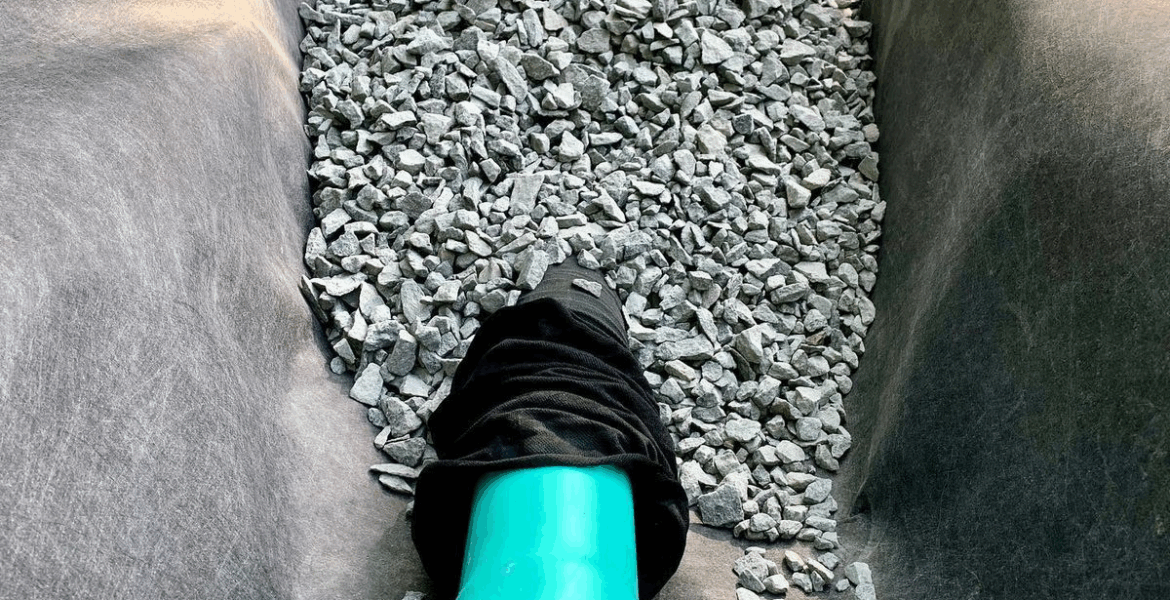
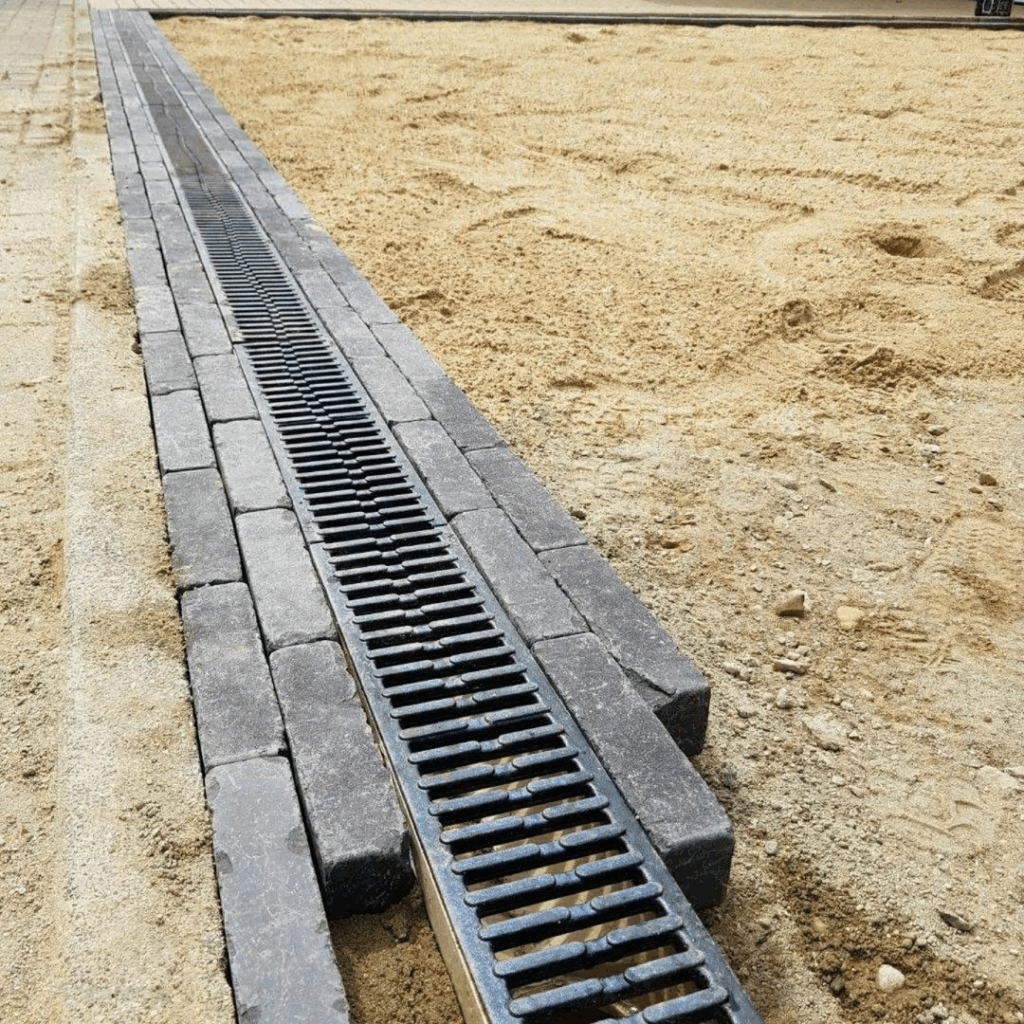
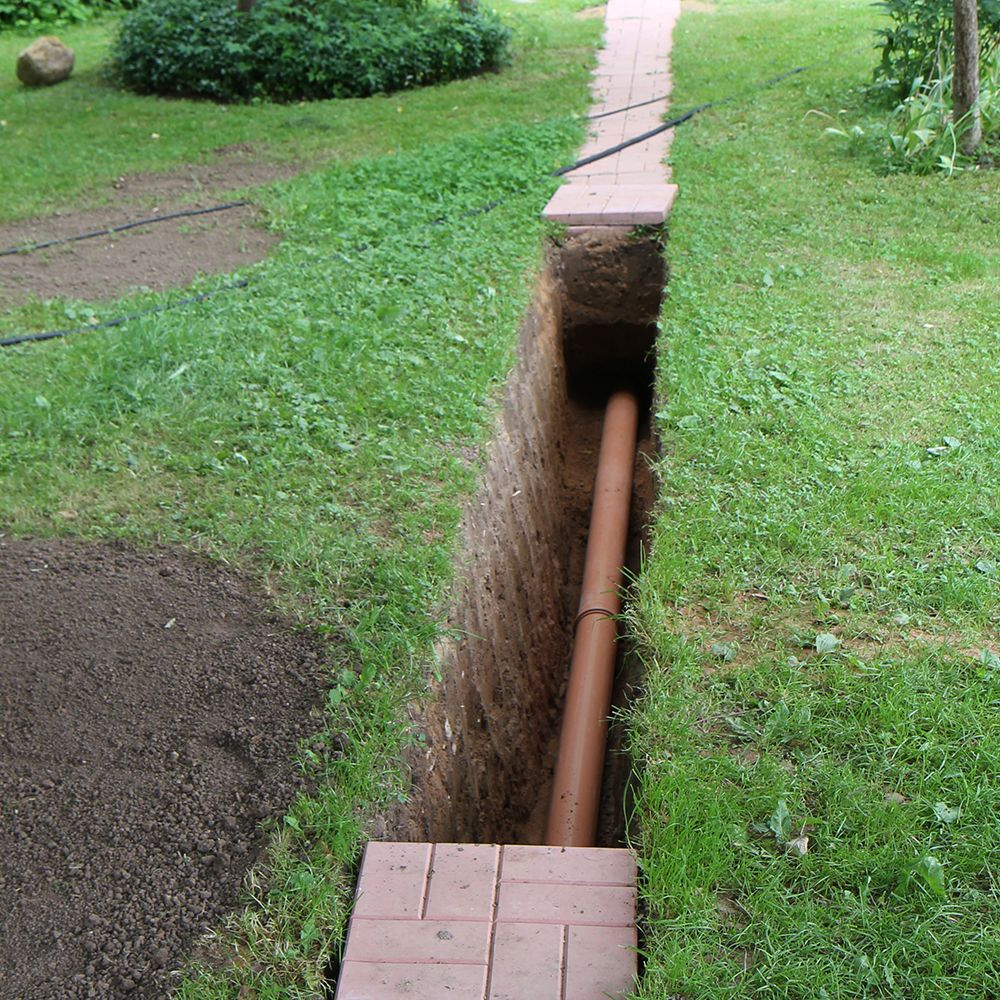
- Subsurface drainage: installing systems like French drains, dry wells, or catch basins underground.
- Sustainable approaches: using rain gardens, bioswales, or permeable surfaces to absorb and filter water on-site. Ontario’s Stormwater Management Planning and Design Manual provides technical guidance on how to size and place such features to effectively reduce runoff and avoid overload of drainage infrastructure.
The best choice depends on where water collects, how much volume is involved, and the property layout.
Why Is This Important for You?
Ignoring poor yard drainage can lead to some of a homeowner’s most dreaded and expensive problems.
- Protecting Your Home’s Foundation: When water saturates the soil around your foundation, the immense pressure can lead to cracks, leaks, and severe structural damage over time.
- Preventing Basement Flooding: Improving how water is managed on the surface is your first and best line of defence against a wet basement. Many municipalities, like the City of Toronto, emphasize proper grading and downspout disconnection as key preventative measures. In Surrey, BC, city regulations require foundation drainage systems to meet minimum elevation criteria and ensure downspouts are extended to redirect water away from a home’s foundation.
- Creating a Usable and Healthy Yard: A waterlogged yard is unusable for recreation, kills expensive lawns and garden plants, and can become a breeding ground for mosquitoes. A well-drained yard is the cornerstone of creating a beautiful outdoor oasis.
- Safeguarding Landscaping and Structures: Poor drainage can also erode landscaping and compromise the footings of decks and fences.
Comparison of Common Drainage Solutions
Each option offers different levels of protection, cost, and difficulty:
| Parameter | Extending Downspouts | Creating a Rain Garden | Installing a French Drain |
| Typical Cost | Very Low ($25 – $100) | Low to Moderate ($200 – $1,000) | High ($1,000 – $5,000+) |
| DIY Difficulty | Easy | Medium | Hard (often requires a pro) |
| Effectiveness for Water Volume | Low to Medium | Medium | High |
| Best For | Pooling near foundation | Low yard spots, downspout runoff | Large soggy areas, hillside runoff |
This table highlights why many homeowners begin with surface fixes but may need to consider larger interventions for persistent problems.
Choosing the Right Solution
- Observe Before Acting: The most important step is to watch the yard during heavy rain. Identify where water enters, how it flows, and where it collects.
- Start Simple: Check gutters and downspouts. Clean debris and ensure water discharges at least 4-6 feet away from the foundation. Often, this alone solves localized issues.
- Evaluate Grading: The soil around the home should slope away. If it is flat or slopes inward, re-grading with added soil may be required.
- Match Solution to the Problem:
- Roof runoff pooling by the foundation: downspout extensions are cost-effective.
- Persistent soggy spots: rain gardens provide both drainage and visual appeal.
- Widespread or severe saturation: French drains capture and redirect subsurface water but usually require professional installation.
Mistakes to Avoid
Drainage projects are straightforward in principle but prone to missteps:
- Redirecting water to a neighbour’s property: This can cause disputes and liability issues. Drainage must remain on-site or be directed to approved municipal outlets.
- Incorrect French drain installation: A trench without proper slope (minimum 1% grade) will not move water. Forgetting a fabric liner allows silt to clog the pipe.
- Overlooking compacted soil: Sometimes drainage fails because the soil itself cannot absorb water. Aeration may be a low-cost solution.
- Relying solely on one fix: Extending downspouts may reduce water near the house but not solve low spots across the yard.
Traditional vs. Sustainable Approaches
For decades, the default solution was to move water quickly into storm sewers. While effective at the property level, this can overwhelm municipal infrastructure and pollute waterways.
Sustainable methods, such as rain gardens, bioswales, and permeable pavers, aim to capture and filter water where it falls. These strategies reduce runoff, recharge groundwater, and support resilient landscapes. According to Richmond Hill, Ontario, a well-designed rain garden can absorb as much as 30% more water than a normal lawn patch, making it an effective way to cut down on pooled water in yards. So they may not replace the need for subsurface drainage in all cases, but they often complement traditional systems while enhancing the yard’s appearance.
Frequently Asked Questions (FAQ)
1. How do I know if my yard’s drainage is putting my home at risk?
Warning signs include pooling water near the foundation after rain, soggy spots that never fully dry, and water seeping into the basement. Even if flooding hasn’t happened yet, these red flags mean your foundation and landscaping are under stress. Catching issues early can save thousands in future repairs.
2. What’s the most cost-effective first step to stop yard flooding?
Always start simple. Clean gutters and extend downspouts at least 4-6 feet away from your foundation. In many Canadian homes, this alone resolves minor flooding issues. If pooling persists in the lawn, low-cost options like regrading or creating a small rain garden are affordable and often very effective.
3. When should I call in a professional instead of handling drainage myself?
DIY fixes are fine for small puddles, but recurring soggy areas, hillside runoff, or water pressing against your foundation call for expert help. Professionals can design and install French drains, catch basins, or larger grading projects with the correct slope and materials – something difficult to achieve without experience and equipment.
4. Are sustainable drainage solutions like rain gardens really effective in Canadian yards?
Yes. While they may not replace a full drainage system for severe flooding, sustainable fixes are highly effective for everyday runoff. Rain gardens, bioswales, and permeable pavers absorb and filter water on-site, reduce stress on city storm sewers, and add beauty to the yard. Many municipalities even encourage or subsidize these eco-friendly approaches.
Conclusion
With changing weather patterns, managing water on residential lots is becoming an essential part of home maintenance. Preventing yard flooding is not just about keeping feet dry; it is about protecting foundations, avoiding basement damage, and preserving outdoor spaces.
By observing how water flows on your property, starting with simple fixes, and adopting sustainable practices where possible, homeowners can make lasting improvements. For more severe issues, professional drainage systems may be necessary.
In 2026, proactive planning remains the best defence. A well-drained yard is safer, healthier, and more enjoyable, ensuring that heavy rains are managed without lasting damage.