

Natural Weed Control Options Safe for Pets and Children
On 2026-01-06 by Derrick TrantowFor many Canadian households, outdoor spaces are central to family life. Children play in the grass, pets explore, and gardens provide colour through the growing season. Yet weeds remain an ongoing frustration, disrupting lawns and garden beds alike.
Traditionally, chemical herbicides were the default response. In recent years, however, concern about exposure to synthetic chemicals has prompted homeowners to seek safer alternatives. Natural weed control methods provide a way to manage unwanted plants while protecting pets, children, and the wider environment.
What Are Natural Weed Killers?
Natural weed killers rely on ingredients sourced from nature rather than laboratory-synthesized chemicals. They generally act by drying out plant tissues or disrupting growth at the seed stage.
Common examples include:
- Vinegar (acetic acid): Higher-strength horticultural vinegar (10-20%) draws moisture out of leaves, killing top growth.
- Herbicidal soaps: Specially formulated fatty acid solutions penetrate waxy leaf coatings, drying the plant.
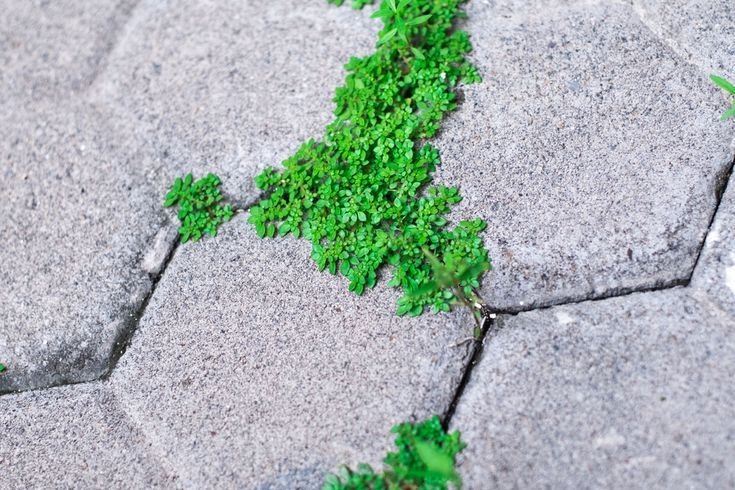
- Boiling water: A simple but effective method for weeds in cracks and hardscapes.
- Corn gluten meal: A natural pre-emergent that prevents weed seeds from germinating.
Unlike synthetic herbicides, these substances typically break down quickly in soil and water, reducing long-term impacts. For example, Health Canada’s guidelines for lawns encourage non-chemical measures – such as hand weeding or pouring boiling water in cracks – before considering registered pesticide products.
Why It Matters for Families
Choosing natural options provides multiple benefits beyond weed control:
- Safety and peace of mind: Families can treat problem areas without worrying about children or pets encountering chemical residues.
- Environmental protection: Natural products are biodegradable and less likely to contaminate groundwater or harm pollinators.
- Soil health: Avoiding synthetic inputs helps maintain balanced soil conditions that support healthy turf and garden plants.
- Alignment with sustainable practices: Many Canadians are seeking ways to maintain outdoor spaces that are both functional and environmentally responsible.
Comparing Common Options
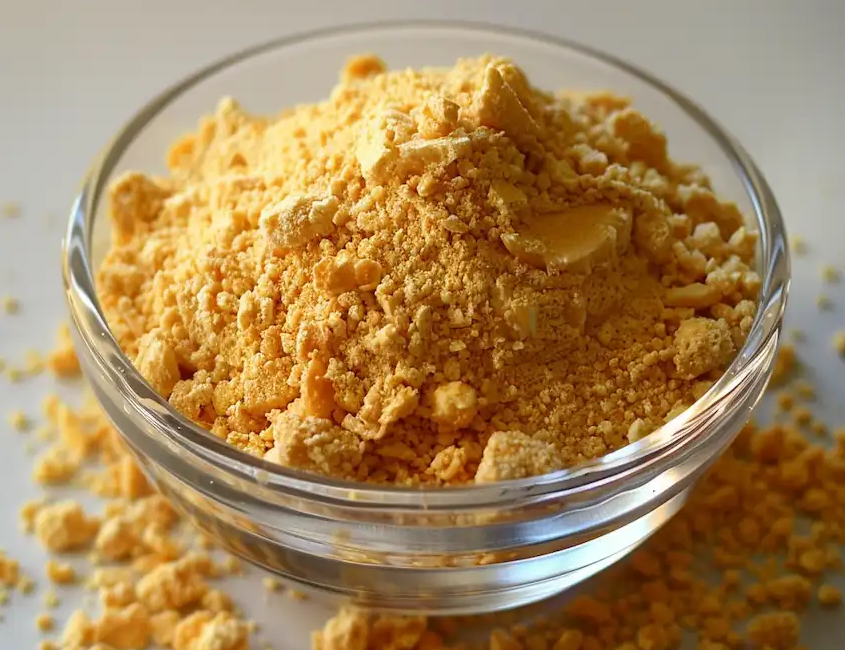
Each method has advantages and limitations, depending on where weeds occur and whether prevention or removal is the goal.
| Parameter | Vinegar Solution (10-20% Acetic Acid) | Boiling Water | Corn Gluten Meal (Pre-emergent) |
| Best Use Case | Existing weeds in cracks, gravel paths | Existing weeds on hardscapes | Preventing weeds in lawns, beds |
| Typical Cost | Low | Very Low (cost of heating water) | Moderate |
| Caution Level | Medium (non-selective, harms grass) | Medium (burn hazard) | Low (safe for most areas) |
This table shows that while vinegar and boiling water are most effective on existing weeds, corn gluten meal is a preventive strategy best applied seasonally.
Choosing the Right Approach
- Location Matters: Hard surfaces like driveways and patios can be treated safely with boiling water or vinegar, as there is little risk of damaging desirable plants. In garden beds or lawns, caution is needed since these methods are non-selective.
- Define the Goal:
- For existing growth, vinegar sprays and boiling water are most effective.
- For preventing weeds like crabgrass or dandelions, corn gluten meal applied in spring and fall interrupts seed germination. University of Maine Extension reports that while many gardeners use CGM for pre-emergent control, studies show mixed results and point out that high application rates may introduce excess nitrogen into lawns or water systems.
- Consider the Weed Type: Annual weeds are easily controlled with natural methods. Deep-rooted perennials may regrow from roots even after treatment, requiring repeated applications or manual removal.
Avoiding Common Mistakes
Homeowners often undermine results by overlooking a few basic details:
- Using household vinegar: At 5% acetic acid, standard vinegar is usually too weak. Products with higher concentrations (10-20%) behave as contact herbicides, which means they kill any foliage they touch and can irritate skin, eyes, or airways if misused, per OSU’s NPIC.
- Expecting one-time results: Natural methods often need repeat applications, particularly for established perennials.
- Spraying in the wind: Non-selective sprays drift easily and may damage nearby grass or ornamentals. Apply on calm, sunny days.
- Misusing salt: While sometimes promoted as a natural option, salt damages soil long-term and should only be used where no plants are desired, such as deep cracks in pavement.
These points highlight why natural control works best when combined with other lawn care practices such as mulching, aerating, and maintaining dense turf.
Balancing Effectiveness with Safety
The central trade-off with natural products is speed and persistence. Synthetic herbicides such as glyphosate may act faster and penetrate roots, but their long-term impacts raise safety concerns. Natural approaches often require more patience and repeated effort but offer peace of mind and environmental benefits.
For most households, natural methods form part of a broader weed management plan that includes:
- Regular mowing and turf care to crowd out weeds.
- Applying mulch in garden beds to smother new growth.
- Hand-pulling or digging persistent weeds.
This integrated approach balances convenience, effectiveness, and safety.
Frequently Asked Questions (FAQ)
1. How can I control weeds without worrying about my kids or pets playing outside?
The safest methods are those that use natural, fast-breaking ingredients. Boiling water and horticultural vinegar (10-20% strength) are excellent for weeds in cracks or along driveways where children and pets aren’t likely to touch freshly treated soil. In lawns or garden beds, corn gluten meal is a safe preventive that stops new weeds from sprouting while keeping the space family-friendly.
2. Are natural weed killers strong enough to handle tough, established weeds?
Natural methods work best on young or shallow-rooted weeds. They may require repeated applications for deep-rooted perennials like dandelions or thistles. Combining spot treatments (vinegar or soap sprays) with manual pulling gives the best long-term results. While they aren’t as aggressive as synthetic chemicals, natural options provide peace of mind while still keeping growth under control.
3. What common mistakes do homeowners make with natural weed control?
The three biggest slip-ups are:
- Using household vinegar: At 5%, it’s too weak to kill most weeds.
- Expecting a one-time fix: Natural treatments usually need repeat applications.
- Spraying on windy days: This causes drift, which can damage nearby grass or flowers.
Avoiding these mistakes makes natural methods far more effective and predictable.
4. Which natural method works best for preventing weeds before they even appear?
For prevention, corn gluten meal is the standout choice. Applied in spring and fall, it stops weed seeds like crabgrass or dandelions from germinating. It won’t kill existing weeds, but when used consistently, it reduces new growth year after year while remaining safe for pets and kids to walk on immediately.
Conclusion
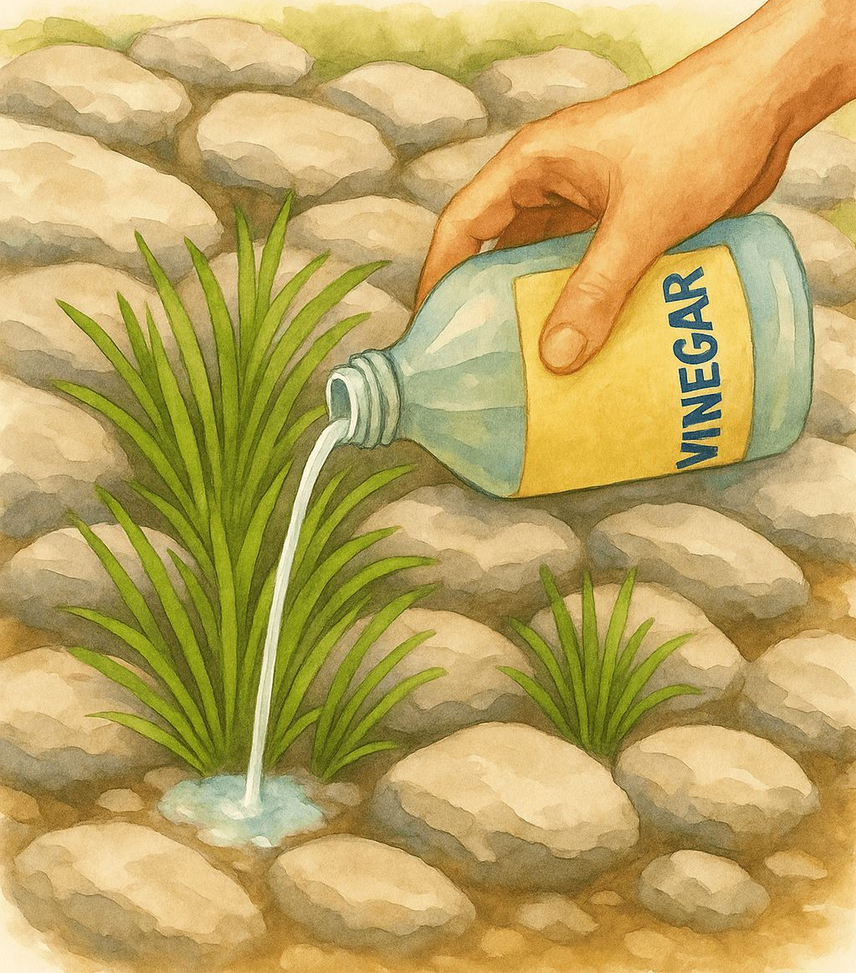
Maintaining a yard that is both attractive and safe does not require reliance on synthetic chemicals. Natural weed control options such as vinegar sprays, boiling water, and corn gluten meal provide effective tools when applied thoughtfully.
While these methods may not eliminate weeds as quickly as synthetic herbicides, they protect children, pets, and the environment. By incorporating them into an integrated yard care plan, homeowners can achieve the balance of safety, sustainability, and appearance that modern families increasingly seek.