
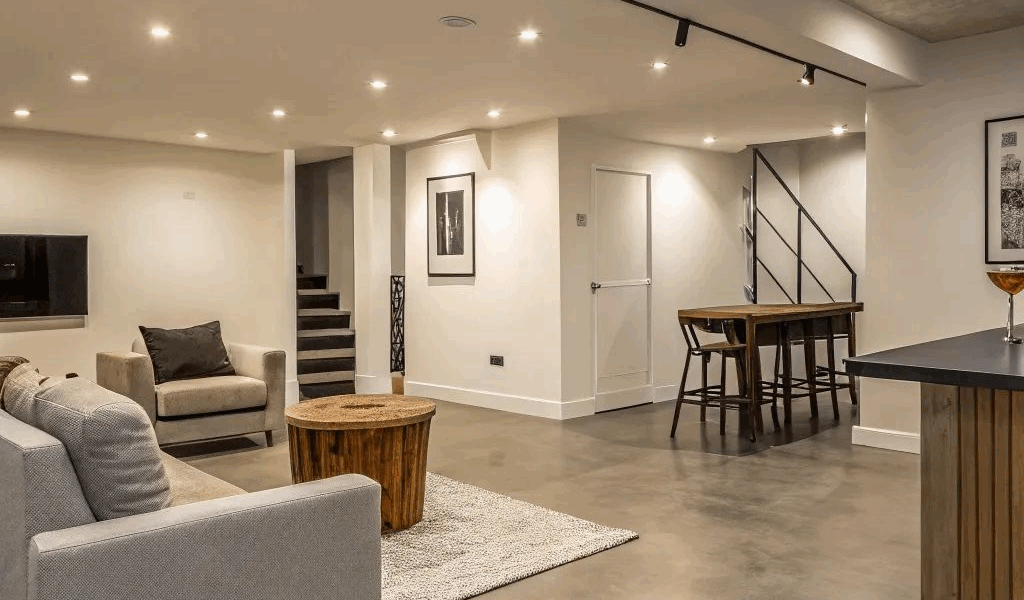
Low-Cost Basement Floor Renovation Ideas for Canadian Homes
On 2025-12-11 by Derrick TrantowBasements often represent untapped potential in Canadian homes. Whether as a family room, a gym, or additional storage, finishing the floor is usually the first step toward making this space livable. Flooring, however, can be one of the more expensive elements of a renovation.
The good news is that homeowners do not need to commit to high-end materials to create a functional, attractive, and durable basement floor. With careful planning and smart product choices, it is possible to complete a renovation on a modest budget while still addressing the unique conditions found below grade.
What Budget-Friendly Basement Flooring Involves
Basements pose different challenges than other parts of a house. Concrete subfloors, the risk of moisture, and fluctuating temperatures all influence what flooring materials are appropriate. Natural Resources Canada specifically advises sealing and insulating basement floors to control moisture and heat loss. A “low-cost” approach does not mean cutting corners; instead, it means selecting options that are both affordable and resilient in this environment.
Some of the most practical materials include:
- Painted or epoxy-coated concrete: A direct, inexpensive finish that seals the surface and adds durability.
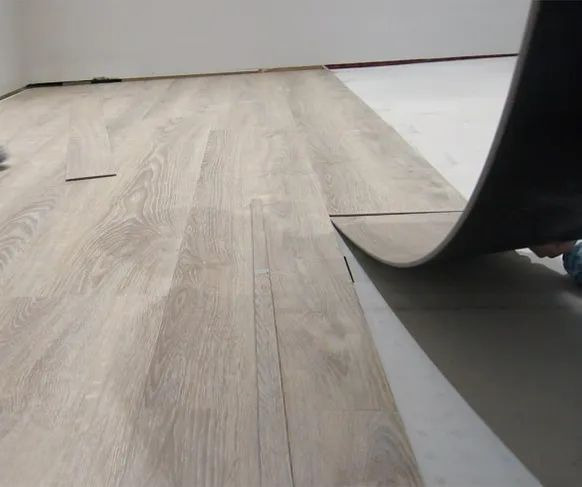
- Luxury vinyl plank (LVP) or tile (LVT): Waterproof, scratch-resistant products that mimic the appearance of wood or stone.
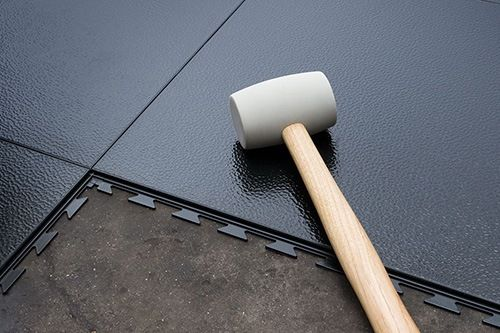
- Interlocking rubber tiles: A comfortable, durable option often used in gyms and playrooms.
Why Flooring Choices Matter in Basements
Beyond cost, flooring decisions in basements affect the overall function, comfort, and even health of the home.
- Increased usable space: A bare slab feels uninviting. Adding a proper floor transforms the area into a living space.
- Moisture management: Choosing water-resistant materials prevents mould and mildew, common concerns in below-grade spaces. Health Canada warns that unmanaged moisture and mould in basements can lead to respiratory irritation and long-term health problems.
- Property value: A finished basement adds to resale appeal. Selecting affordable but durable flooring ensures a return without overspending.
Comparing Common Options
Here is how three popular, budget-friendly choices measure up:
| Parameter | Painted/Epoxy Concrete | Luxury Vinyl Plank (LVP) | Interlocking Rubber Tiles |
| Approx. Cost/sq. ft. | Very Low ($1 – $3) | Low to Moderate ($2 – $5) | Moderate ($3 – $7) |
| DIY-Friendliness | Medium (prep is key) | Easy to Medium | Easy |
| Moisture Resistance | High (when sealed) | Very High (waterproof) | High (waterproof) |
| Comfort Underfoot | Low | Medium | High |
Each has strengths depending on whether the space will serve as a workshop, a gathering area, or a place for exercise.
Key Considerations Before Choosing
- Define the Room’s Purpose:
- For a home gym or playroom, rubber tiles provide cushioning and impact resistance.
- For a family room or office, LVP offers a warm appearance with easy maintenance.
- For a utility space such as laundry or storage, a painted concrete floor is practical and cost-effective.
- Assess the Subfloor Condition: Concrete must be evaluated for cracks or unevenness. Painted finishes highlight imperfections, while floating products like LVP can disguise minor flaws.
- Test for Moisture: Moisture is the biggest variable. A simple test involves taping a sheet of plastic to the floor for 24-48 hours and checking for condensation. The Canada Mortgage and Housing Corporation (CMHC) provides detailed methods to detect and fix basement dampness before flooring installation.
When exploring your options, it’s helpful to review a broader guide on how to choose the right flooring for your Canadian home.
Avoiding Common Mistakes
Many basement flooring issues come down to preparation or inappropriate material selection.
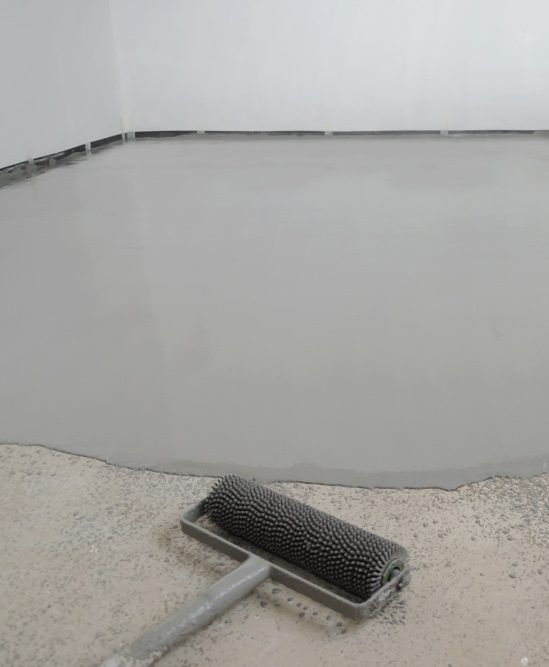
- Skipping subfloor prep: Failing to clean, level, and repair concrete reduces adhesion and durability. The Canadian Building Digest emphasizes that proper waterproofing and preparation are essential for long-lasting basement floors.
- Using unsuitable materials: Hardwood or laminate may look appealing but will warp or swell in damp conditions.
- Neglecting underlayment: Floating floors like LVP require a proper underlayment to act as a moisture barrier and to improve comfort underfoot.
Addressing these details at the outset prevents costly rework later.
Short-Term Savings vs. Long-Term Value
When weighing options, it is important to look beyond initial price.
- Painted concrete is the least expensive solution but requires reapplication over time as coatings chip or wear.
- Luxury vinyl plank has a higher upfront cost but is highly durable, providing long-term stability with minimal upkeep.
- Rubber tiles balance comfort and durability but may not suit spaces where a more finished look is desired.
Homeowners should balance current budgets with expectations for longevity and how the space will be used.
Frequently Asked Questions (FAQ)
1. How can I renovate my basement floor on a budget without sacrificing durability?
The key is matching the flooring material to how you’ll use the space. Painted or epoxy-coated concrete is the most budget-friendly option and works well in laundry rooms or workshops. For living areas, luxury vinyl plank (LVP) strikes a good balance between affordability, durability, and appearance. Rubber tiles are slightly pricier but ideal for gyms and playrooms. Choosing the right product for the room’s purpose helps you save money while still getting long-lasting results.
2. What’s the biggest mistake homeowners make with basement flooring?
Skipping moisture testing and subfloor preparation. Basements are prone to dampness, and even the best flooring will fail if moisture isn’t addressed first. A simple plastic-sheet test can reveal hidden dampness, and fixing cracks or leveling the slab ensures better adhesion and longevity. Ignoring these steps often leads to warped floors, peeling coatings, or costly do-overs.
3. Which low-cost basement flooring option is best for comfort and warmth?
If you plan to spend a lot of time in the basement, comfort matters. Rubber tiles provide excellent cushioning, making them perfect for exercise or play spaces. LVP offers a warmer, more “finished” feel for family rooms or offices. Painted concrete, while affordable, is less forgiving underfoot, so it works best for utility areas. Adding rugs or mats can improve comfort in budget-friendly setups.
4. Will a budget-friendly basement floor still add value to my home?
Yes-if done properly. A finished basement, even with low-cost flooring, expands usable living space, which increases appeal to future buyers. Durable, waterproof flooring like LVP or well-installed rubber tiles can make the space feel polished and functional without overspending. On the other hand, poorly prepared or moisture-damaged floors can hurt resale value, so investing in proper installation is just as important as the material choice.
Conclusion
A well-chosen basement floor can make one of the least inviting areas of a home into a comfortable and functional extension of living space. By focusing on affordable but appropriate materials, preparing the subfloor carefully, and understanding how the space will be used, Canadian homeowners can renovate without overspending.
Budget-friendly does not mean sacrificing quality. With options ranging from epoxy-coated concrete to versatile vinyl and durable rubber tiles, there is a solution to fit every household. Approaching the project with clear goals and proper preparation ensures a result that is both economical and lasting.