
A Buyer’s Guide to the Best Water Leak Detectors for Smart Homes
On 2026-01-22 by Derrick TrantowWater damage has overtaken fire as one of the leading causes of home insurance claims in Canada. According to Statistics Canada, insured catastrophic (CAT) losses from severe weather – including flooding and water events – reached over $3 billion in both 2022 and 2023, leaving many homeowners exposed to growing risk.
A leaking appliance, burst pipe, or sump pump failure can cause thousands of dollars in damage in a matter of minutes. Preventing these incidents requires more than good luck – it requires early detection.
Smart water leak detectors have emerged as an affordable and practical way for homeowners to guard against one of the most common risks in modern housing. As technology advances, 2026 brings a wider range of options that can be installed quickly and integrated into existing smart home systems.
What Smart Leak Detectors Are
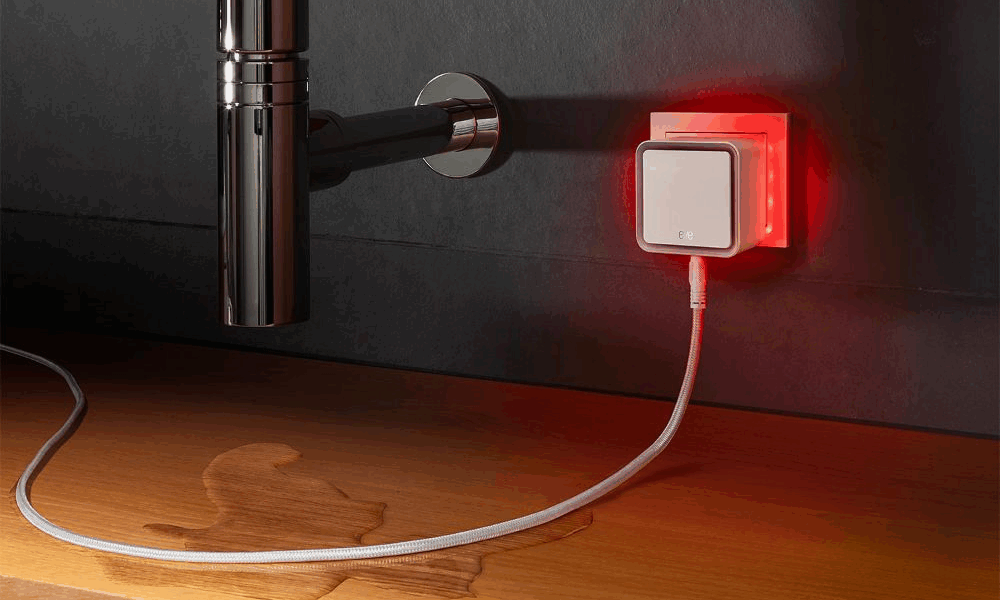
A smart water leak detector is a compact device that senses water where it should not be. Typically placed under sinks, near washing machines, beside water heaters, or at sump pumps, the sensor sounds an audible alarm and sends a notification to a smartphone when moisture is detected.
Many newer models also include temperature monitoring, providing early warnings when conditions may lead to frozen pipes. Some connect directly to Wi-Fi, while others integrate through smart hubs using Zigbee or Z-Wave protocols.
The most advanced systems go further, automatically shutting off the main water supply when a leak is confirmed.
Why Is This Important for You?
Even small leaks can escalate rapidly. Early warning provides homeowners with valuable minutes to act, preventing a problem from becoming catastrophic. Key benefits include:
- Reduced financial losses: Quick detection limits damage to flooring, drywall, and belongings.
- Peace of mind: Alerts arrive whether you are across town or away on vacation.
- Frozen pipe protection: Temperature sensors notify you before pipes reach the point of freezing and bursting.
- Insurance advantages: Some insurers recognize the value of detectors and may offer premium discounts when they are installed.
Natural Resources Canada’s federal guidelines estimate that damage to buildings and infrastructure from flood events remains substantial, underscoring how costly even “small-scale” leaks or water intrusion can become in wet or stormy conditions.
Comparing Available Options
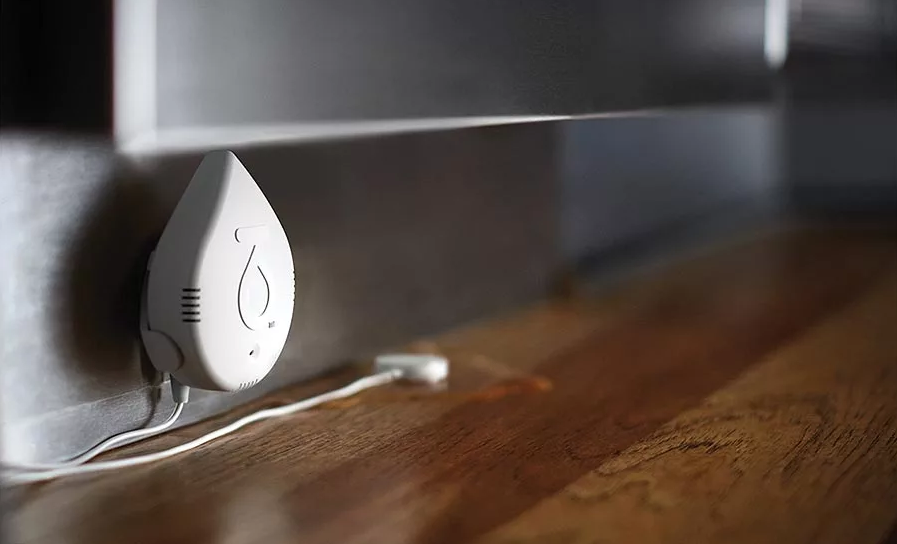
The 2026 market includes a wide range of detectors. Costs and features vary depending on how much protection is required.
| Parameter | Wi-Fi Standalone Sensors | Smart Hub-Based Sensors (Zigbee/Z-Wave) | Whole-Home Shut-Off Systems |
| Typical Cost | Low ($30 – $80 per sensor) | Low ($30 – $60 per sensor, hub required) | High ($500 – $1,500+) |
| Ease of Installation | Very Easy | Easy (requires hub pairing) | Hard (professional plumber needed) |
| Key Feature | Simple app-based alerts | Integration with existing routines | Automatic shut-off of water supply |
| Best For | Entry-level protection | Households with smart hubs | Maximum protection, frequent travellers |
This table illustrates why many homeowners begin with simple Wi-Fi sensors but later consider larger integrated systems for more comprehensive coverage.
Choosing the Right Detector
- Smart Home Integration:
- If you already use a platform like Google Home, Amazon Alexa, or Samsung SmartThings, a Zigbee or Z-Wave device may integrate most smoothly.
- For those new to smart technology, standalone Wi-Fi sensors with their own mobile apps are easier to set up.
- Placement and Connectivity: Signal strength matters. Basements and utility rooms often have weaker Wi-Fi or hub coverage. Check connectivity before installation to avoid false confidence in a device that cannot send alerts reliably.
- Power and Maintenance: Most leak detectors are battery-powered. Look for models with at least one year of battery life and clear low-battery notifications. A system that stops working unnoticed defeats the purpose.
- Additional Features:
- Audible alarms are valuable when you are home and need an immediate signal.
- Temperature and humidity sensors provide wider monitoring, helping prevent pipe freezes or mould conditions.
Alerts vs. Automatic Action
A central decision for homeowners is whether an alert-only system is sufficient or if automatic shut-off is justified.
- Alert-only systems are inexpensive and suitable for most households. They provide enough notice to address leaks if someone is available to respond quickly.
- Automatic shut-off systems cost significantly more but offer maximum protection. They are especially useful for frequent travellers or in properties where leaks have occurred before.
In addition, the Insurance Bureau of Canada recommends installing backwater valves, sump pumps, and extending downspouts to reduce flood or water damage risk, measures which complement smart leak detectors.
Common Mistakes to Avoid
Even with good equipment, improper use can reduce effectiveness:
- Placing sensors incorrectly: Detectors must be positioned at the lowest point where water is likely to pool. A sensor set too high above the floor may never trigger.
- Forgetting maintenance: Batteries need to be replaced, and sensors occasionally tested to ensure functionality.
- Overlooking connectivity: Weak Wi-Fi or hub signals can prevent alerts from reaching your phone.
- Relying only on alerts: Entry-level sensors notify you but cannot stop water flow. In high-risk homes, this limitation must be considered.
Frequently Asked Questions (FAQ)
1. How do I know which type of leak detector is right for my home?
It depends on your lifestyle and risk level. If you’re often home and just want simple peace of mind, a Wi-Fi sensor with app alerts is an affordable entry point. If you already use a smart home hub like Alexa or SmartThings, hub-based sensors integrate seamlessly into your routines. For frequent travellers or anyone who’s had a costly leak before, an automatic shut-off system provides the strongest protection.
2. Where should I place water leak detectors for maximum protection?
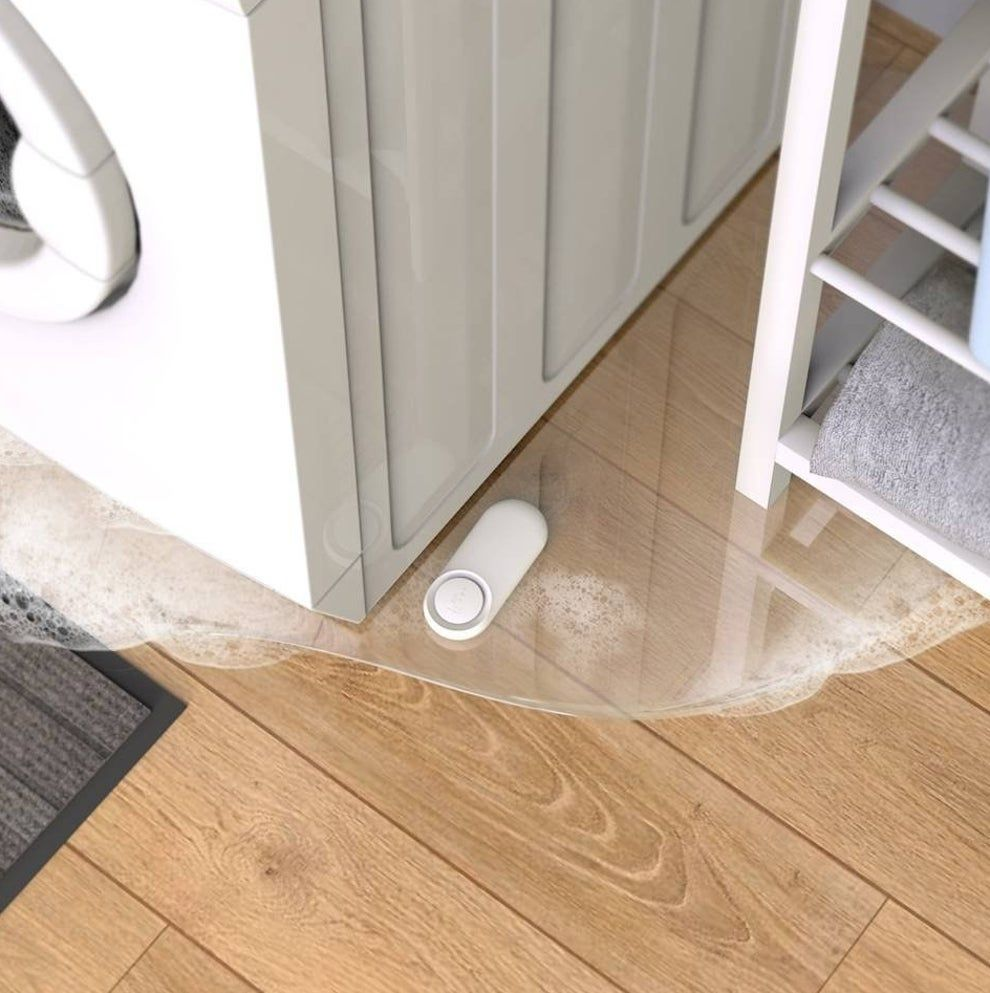
Think like water: place detectors at the lowest point where water would naturally pool. The most important spots include under sinks, behind toilets, next to washing machines, near water heaters, and around sump pumps. Basements are especially critical, since unnoticed leaks here can cause foundation damage before you even realize there’s a problem.
3. What mistakes cause smart leak detectors to fail when you need them most?
The three big ones are:
- Poor placement: Putting a detector on a shelf or too high above the floor means it never triggers.
- Forgetting maintenance: Dead batteries or untested sensors leave you with false security.
- Weak Wi-Fi or hub signals: If the detector can’t connect, you won’t get alerts.
Testing your system a couple of times a year ensures it’s ready when it counts.
4. Are entry-level leak detectors enough, or should I invest in an automatic shut-off system?
For many households, alert-only systems are enough – as long as someone is usually available to respond. They’re affordable, quick to install, and still prevent thousands in potential damage. But if you travel often, rent out your property, or simply want maximum protection, the added cost of a shut-off system is worth it. It removes the need for human intervention and can stop a disaster even when you’re hundreds of kilometres away.
Conclusion
Water damage remains one of the most expensive risks Canadian homeowners face. Installing smart leak detectors is a proactive way to reduce exposure, protect property, and gain peace of mind.
In 2026, the range of available devices allows homeowners to match solutions to their needs: simple Wi-Fi sensors for quick entry, hub-based devices for those already invested in smart home ecosystems, or whole-home shut-off systems for the highest level of protection.
A modest investment in leak detection today may prevent one of the most costly and disruptive household disasters tomorrow.